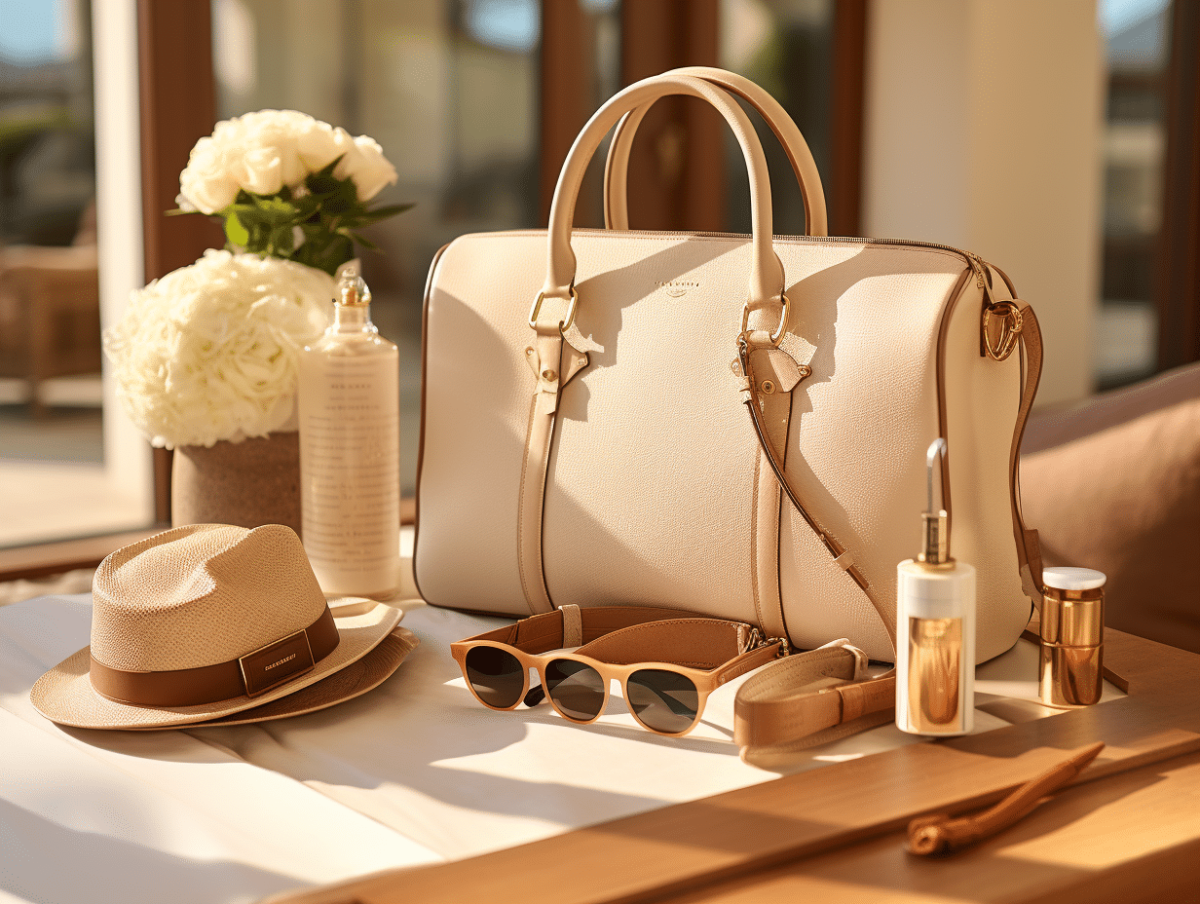
Luxury fashion brands, symbols of elegance and exclusivity, are now embracing a new entrepreneurial horizon. Historically confined to creating high-end clothing and accessories, they are venturing into the realm of personal security. This surprising diversification is materializing through the development of luxury products that combine refined aesthetics with optimal protection. This trend illustrates a response to growing concerns for safety while preserving the identity and status of affluent consumers. From armored leather goods to clothing incorporating cutting-edge technologies, the luxury industry is redefining its boundaries, demonstrating its ability to innovate while remaining true to its heritage of prestige.
The Rise of Diversification in Luxury Brands
The strategy of major luxury brands is evolving, moving away from the beaten paths where ostentatious displays of wealth were the norm. Now, ‘quiet luxury’ is becoming the banner of an elite concerned with authenticity and restraint. Houses like The Row and Bottega Veneta embody this trend with minimalist design, where the subtlety of luxury is measured by the intrinsic quality of the products rather than the visibility of logos. Jean-Noël Kapferer, a prominent figure in luxury education at HEC Paris, and Benoit Duguay, author and professor, analyze this shift towards a less flashy sophistication that is no less demanding.
In this same dynamic, luxury brands are diversifying, engaging in social and environmental partnerships that were previously unprecedented in the sector. LVMH is partnering with entities like Cravate Solidaire, while Kenzo is building ties with Tissons la solidarité. Marc Jacobs, in a burst of ecological responsibility, collaborates with Fabscrap, a New York-based organization. These initiatives illustrate a growing commitment from major luxury brands to adopt a more conscious and sustainable stance, in line with the contemporary expectations of a clientele attuned to global issues.
The sector is reinventing itself by exploring unexpected territories. The Louis Vuitton condom, an object at the intersection of the intimate and the sumptuous, transcends the very idea of a luxury product. Brands like Hermès and Chanel continue to strengthen their positioning in leather goods, where the excellence of craftsmanship takes precedence over the quantity produced. These explorations reflect a desire to broaden the spectrum of offerings, adapting to the diverse desires of a clientele eager for novelties and exclusive experiences.

When Fashion Meets Security: A New Trend?
Immersed in an era where environmental and ethical concerns take precedence over rampant consumption, fashion is reinventing itself by integrating the notion of security within its offerings. Luxury brands, in a quest for meaning and innovation, are turning towards products that combine elegance and durability. Leather goods, for example, a flagship category for houses like Hermès, are part of a reasoned production approach, prioritizing the quality and longevity of items, which now experience stock shortages rather than overproduction.
At the same time, recycling is becoming a cardinal practice for these prestigious houses. Fashion recycling is emerging as a response to the issues of unsold goods, transforming surpluses into new raw materials through partnerships with companies like Revalorem or innovative start-ups such as WeTurn. This approach, far from detracting from the prestige of the pieces, gives them a new value, that of responsible and conscious luxury. Like Virgil Abloh at Vuitton, designers are embracing this dynamic to create from recycled materials, redefining the boundaries between luxury and environmental protection.
The luxury and fashion sector, traditionally perceived as elitist and exclusive, is thus opening up to the imperatives of security and preservation through concrete initiatives. Luxury and protection intertwine, reflecting an evolution of mindsets and an adaptation to the contemporary world where sustainability becomes a criterion of distinction as relevant as aesthetics. Luxury players, aware of their impact, are shaping a future where opulence harmonizes with the imperative of sustainable and equitable development.