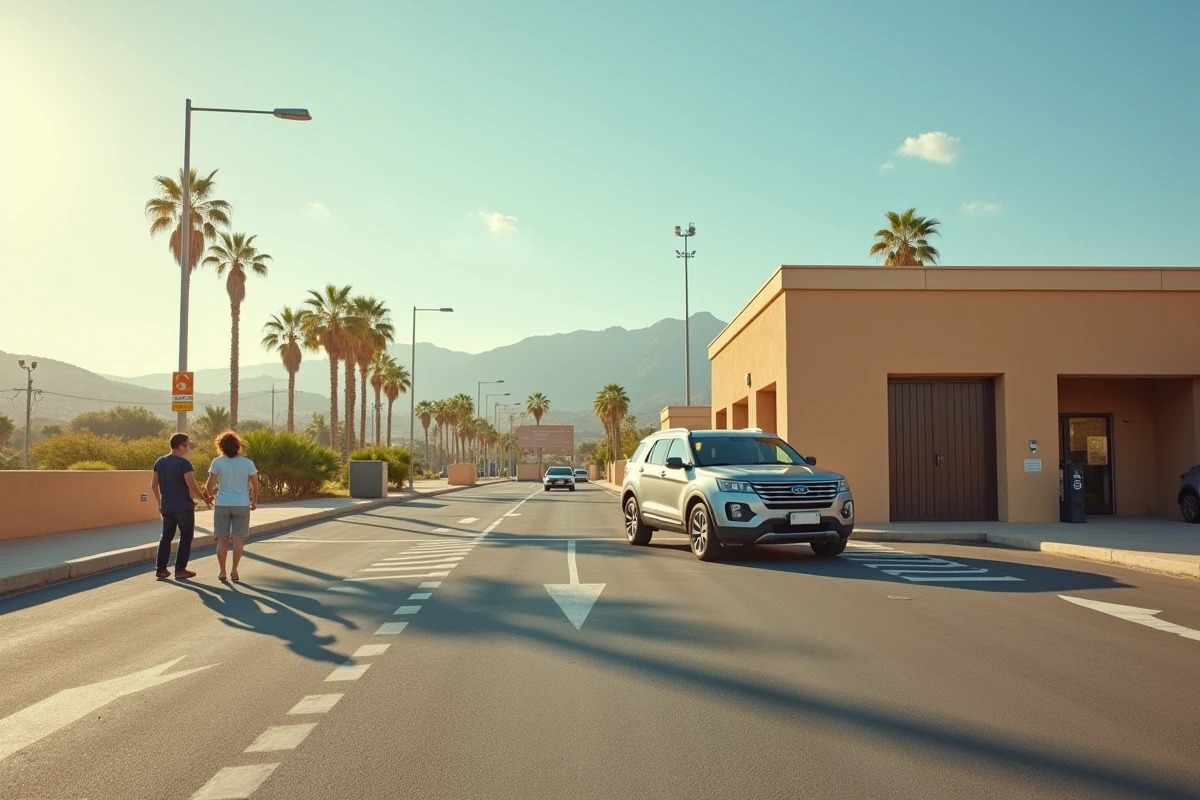
The Spanish highway network covers considerable distances between major cities. A trip from Madrid to Barcelona or Seville to Bilbao involves several hours of continuous driving, and the quality of rest stops available varies greatly from one route to another. The rest areas on highways in Spain do not all meet the same standards, and the distinction between a simple rest area and a full-service area directly affects the travel experience.
Rest Areas and Service Areas in Spain: A Distinction That Changes the Stop
On the Spanish network, two types of stops coexist, and the confusion between the two regularly traps drivers. Rest areas (áreas de descanso) offer parking, sometimes picnic tables, and basic restrooms. Service areas (áreas de servicio) provide a broader range: fuel, dining, shops, showers, and sometimes spaces adapted for trucks or motorhomes.
This distinction, increasingly present in specialized content published since 2025, reflects an evolution in expectations. Travelers crossing Spain on long journeys are looking for less of a simple place to stop and more of a multi-service stop tailored to their type of vehicle. A motorhome driver has different needs than a solo driver, and Spanish operators have understood this.
Some operators have chosen a visible upgrade, with a local dining offer, family spaces, and parking designed for long vehicles.
Their locations cover heavily trafficked routes in Andalusia and Extremadura, making them references for those seeking highway rest areas in Spain with a level of comfort above average.
Safety and Cleanliness of Spanish Highway Areas: What the TCS 2025 Test Reveals
The Swiss automobile club TCS tested a wide sample of service and rest areas on highways in southern Europe, including Spain, in 2025. Their evaluation grid was not limited to comfort: safety, cleanliness, family friendliness, and accessibility were among the criteria considered.

The results show that Spanish areas present a mixed profile. Some receive good ratings for dining or services for electric vehicles, while others suffer from shortcomings in nighttime lighting or restroom maintenance. In contrast, France generally scores better in this comparison, raising questions about the level of investment by Spanish concessionaires in ongoing maintenance.
For travelers driving at night or planning to sleep at a rest area, safety is a significant concern. Field feedback varies on this point depending on the routes and regions. The Mediterranean coastal highways, heavily trafficked in summer, often benefit from better surveillance than less busy inland sections.
Autopistas, Autovías, and Tolls: The Impact on the Quality of Areas
The Spanish highway network is divided into two categories that directly influence the type of areas available. Autopistas are toll highways, managed by private concessionaires. Autovías, which are free, are under the jurisdiction of the state or autonomous communities.
Areas on toll autopistas are generally better equipped than those on free autovías. The economic model explains this: concessionaires derive income from gas stations and dining, which funds the maintenance and modernization of infrastructure. On autovías, areas often consist of little more than a parking lot with basic restrooms.
This difference has practical consequences for long cross-border journeys. A driver entering Spain at La Jonquera on the AP-7 (autopista) will find well-equipped areas. The same driver who then diverts onto a free autovía into the interior of the country will notice a sometimes stark difference in quality.
- On autopistas, check for the presence of showers, covered rest areas, and charging stations if you are driving an electric vehicle.
- On autovías, plan your water and food supply, as some areas only have parking without any services.
- Collaborative apps like CaraMaps allow you to filter areas by available services, helping to avoid unpleasant surprises on poorly documented sections.
Long Trips to Southern Spain: Which Areas to Favor on Major Routes
The most traveled corridors by French travelers are the Mediterranean route (AP-7 then A-7 towards Valencia and beyond), the central route to Madrid (A-2 then A-4 towards Andalusia), and the Atlantic route to Portugal via Extremadura (A-5).
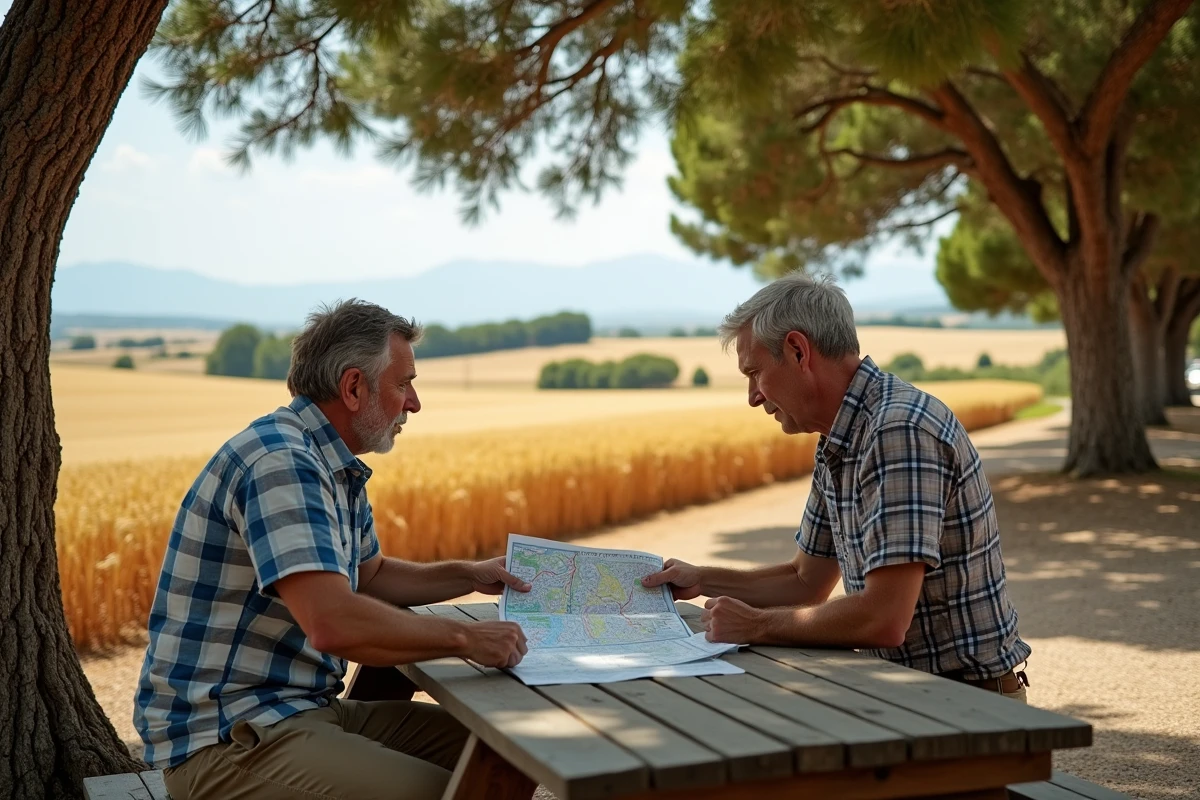
The Mediterranean route has the highest density of service areas, which is explained by the volume of summer traffic. Motorhome drivers will find more suitable spots there than on inland roads.
On the inland routes to Andalusia or Extremadura, options become scarce, and the stretches between two complete service areas can extend over long distances. Planning stops in advance remains the best protection against poorly equipped stretches, especially off-season when some areas reduce their opening hours.
The available data does not allow for conclusions about the price evolution of fuel from one area to another, but the price differences between highway areas and city stations remain a factor to consider on long journeys. Filling up the tank before joining the highway, when the trip allows, remains a habit that saves a few euros on each fill-up.