We look for a personal trainer when we hit a wall: a plateau in progress, recurring pain, or simply zero motivation to put on our sneakers. The problem is that most people choose their coach based on an Instagram profile or an attractive price, without checking what really matters. Finding the right support in personal training requires asking the right questions before the first session, not after three months of disappointing results.
Professional card and insurance: the two documents to request before any session
Before even discussing methods or goals, we check the legality of the practice. In France, anyone who supervises a physical activity for payment must hold a recognized diploma (BPJEPS, DEJEPS, or equivalent) and have declared their activity to obtain a professional sports educator card, renewable every five years. This card certifies both the qualifications and the integrity of the coach.
Ask to see it. If your interlocutor hesitates, changes the subject, or invokes an “international certification” without a French equivalent, move on.
The second document to request is the professional civil liability insurance certificate. It is not always a strict legal requirement, especially for home coaching, but it is highly recommended. In case of injury during a session, this insurance covers damages. A coach who practices without it exposes you to a real risk.
To compare verified coach profiles, learn more about Quel Coach is a good starting point when you don’t know where to begin.
Sports diploma and nutrition certification: do not confuse the two
A common trap is to choose a coach because they present themselves as a “nutrition and sports specialist.” There is no state diploma titled “nutrition sports coach.” Paid sports supervision is primarily based on a recognized diploma or title in the field of sports. Additional training in sports nutrition can enhance the support, but it never replaces the regulatory sports qualification.
In practice, a coach can give general advice on lifestyle (hydration, meal distribution around training). However, a personalized meal plan falls under the purview of a dietitian or a nutritionist doctor. If your weight loss goal requires detailed dietary monitoring, the right reflex is to combine a qualified sports coach and a qualified health professional, not to entrust everything to a single person.
Degrees that matter for a sports coach in France
- The BPJEPS (Professional Certificate of Youth, Popular Education, and Sport), with a focus on fitness activities or weightlifting, is the most common foundation for working in a gym or at home.
- The DEJEPS (State Diploma of Youth, Popular Education, and Sport) allows for supervising at a more advanced level of sports improvement, with advanced training programming skills.
- Titles registered with the RNCP and certain CQP (Certificates of Professional Qualification) also grant the right to practice, provided that the specialty corresponds to the supervised activity.
Home coaching, gym coaching, or online coaching: choose according to your main constraint
You do not choose a coaching format based on abstract preference. You choose it because a constraint demands it: irregular hours, lack of a nearby gym, tight budget, or the need for strict physical supervision to correct posture.
Home coaching is suitable when travel is the main barrier. The coach brings their equipment (resistance bands, dumbbells, mats), and the session takes place in your living room or garage. The downside is that the equipment remains limited: no squat rack or pulley. For a serious mass gain goal, this can become a ceiling.
Gym coaching provides access to all necessary equipment. Make sure your coach has a contract or agreement with the gym in question, as not all gyms accept independent coaches.
Online coaching (video or program sent) has exploded in recent years. Feedback varies on this point: some people progress very well with structured remote support, while others need physical presence to maintain engagement and correct movements in real-time. If you are a beginner or have a history of injury, prefer at least the first sessions in person.

Trial session and personalized goals: what the first meeting reveals
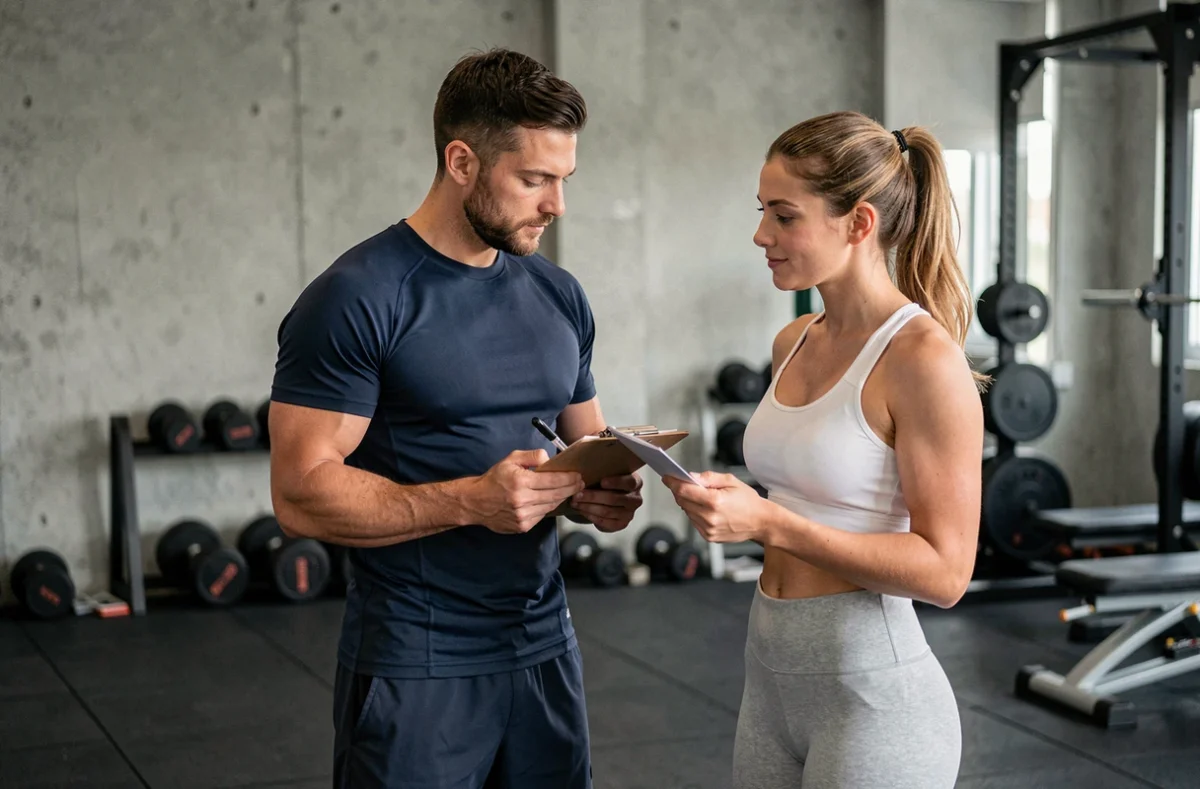
The first session is a test in both directions. A good personal trainer does not make you do burpees for an hour to impress you. They start with an assessment: medical history, past injuries, current level, possible training frequency, and most importantly, your goals clearly articulated (not “getting fit,” but “running 10 km in under 50 minutes” or “regaining hip mobility after surgery”).
Observe how the coach reacts to your answers. If they propose the same program to all their clients, it’s a warning sign. Personalized support requires adapting exercises, volume, and intensity to your situation, not applying a universal template.
Points to evaluate during the trial session
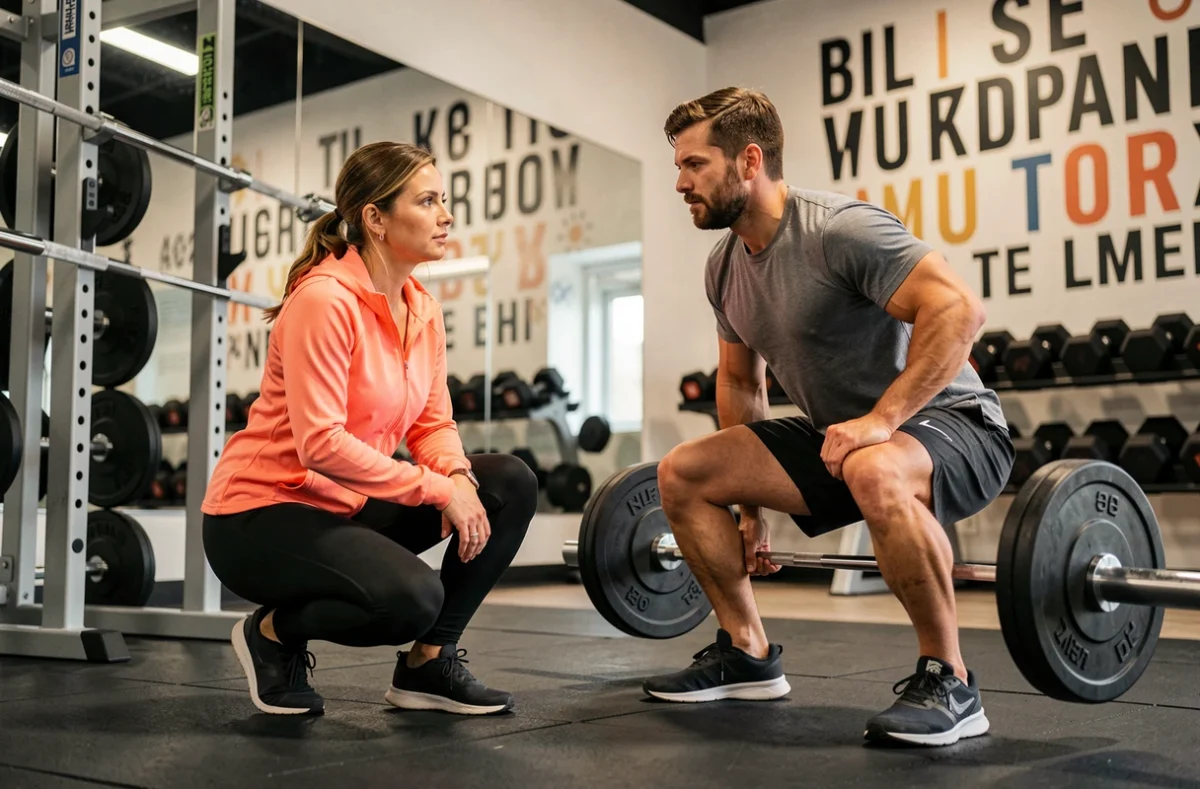
- Does the coach correct your posture while explaining why, or do they just count repetitions?
- Do they ask questions about your sleep, stress level, and general diet? These elements directly influence recovery and progress.
- Do they propose a realistic timeline with intermediate milestones, or do they promise spectacular results in a few weeks?
A coach who promises rapid physical transformation without knowing your starting point is selling dreams, not coaching. Seriousness is measured by the questions asked, not the promises made.
The price of a session varies widely depending on the format (home, gym, online), the city, and the coach’s experience. Rather than seeking the lowest price, compare what is included: follow-up between sessions, program adjustments, availability to answer your questions. A coach who charges a bit more but ensures regular follow-up between appointments generally produces better results than a provider who disappears between sessions.