The collection cycle is accelerating, but the constraints surrounding production and distribution are changing even faster. Understanding current fashion trends requires reading simultaneously the runway shows, regulations, and redistribution circuits that are reshaping the accessible offer.
Enhanced contribution and mandatory display: what the anti ultra-fast fashion law changes for style
Since September 1, 2026, products covered by the French law against ultra-fast fashion may be subject to a reinforced contribution under the textile REP. Starting January 1, 2027, certain advertisements and influencer promotions will be prohibited for these same references.
Online sellers will also need to display the place of manufacture near the price. This obligation directly alters the buyer’s perception of a garment: a top made in Dhaka displayed next to its base price loses some of its appeal.
For consumers who follow trends, the concrete effect is twofold. First, some very inexpensive pieces may see their prices increase, prompting a different balance between quantity and quality. Second, brands positioned on European or French manufacturing gain a visibility advantage that they did not have before this display. We observe that several analyses shared on the site revuedepresse.biz dedicated to fashion confirm this gradual shift in shopping habits.
Key colors and prints of the spring-summer 2027 collections
The Paris Fashion Weeks for spring-summer 2027 confirmed several strong trends. The palettes revolve around saturated hues, with a marked return of bright red and intense yellows, while creamy neutrals remain a safe bet.
In terms of patterns, large-scale floral prints dominate, but are treated graphically rather than romantically. Deconstructed stripes and geometric optical illusions appear on dresses as well as outerwear. Leopard, omnipresent in recent seasons, maintains a presence in more discreet forms (linings, accessories) without taking center stage.
Materials and volumes to watch
Light technical fabrics are gaining ground in everyday wardrobes. Recycled nylon, memory poplin, structured openwork knits: the boundary between sportswear and ready-to-wear blurs more each season.
Volumes remain generous on the upper body (structured shoulders, balloon sleeves) and taper below. This inverted triangle silhouette, visible in several Parisian houses, offers a clear visual balance that works well in both formal and casual looks.
Secondhand and repair: two circuits redefining access to trends
The planned end of the destruction of unsold goods is steering dormant stocks towards resale, donation, and reuse. For those seeking a current style without buying new, secondhand circuits are becoming a full-fledged supply channel, not just a simple activist gesture.
Not all circuits have the same impact. In a report published on September 10, 2026, Oxfam France (with RDC Environnement) concludes that a solidarity shop can have a lower environmental impact than a commercial thrift store or a digital platform, particularly due to differences in transport, logistics, and usage duration.
Repair, a blind spot for brands
The study Repair Culture in Fashion, published in October 2026 by Create Sustain, Klarna, and Save Your Wardrobe, shows that consumers primarily turn to their acquaintances or independent tailors. Only a minority has used a repair service offered by a brand.
This gap creates a concrete opportunity: mastering the basics of tailoring (hemming, zipper replacement, sewing adjustments) extends the lifespan of a trendy piece and allows it to be adapted to one’s morphology. Local tailors often charge less than a repurchase, and the adjusted garment looks better than a new garment worn as is.

Building a current style: concrete trade-offs rather than a shopping list
Piling on trendy pieces does not create a style. We recommend reasoning through trade-offs rather than by categories of clothing. Here are the three axes that structure a coherent wardrobe this season:
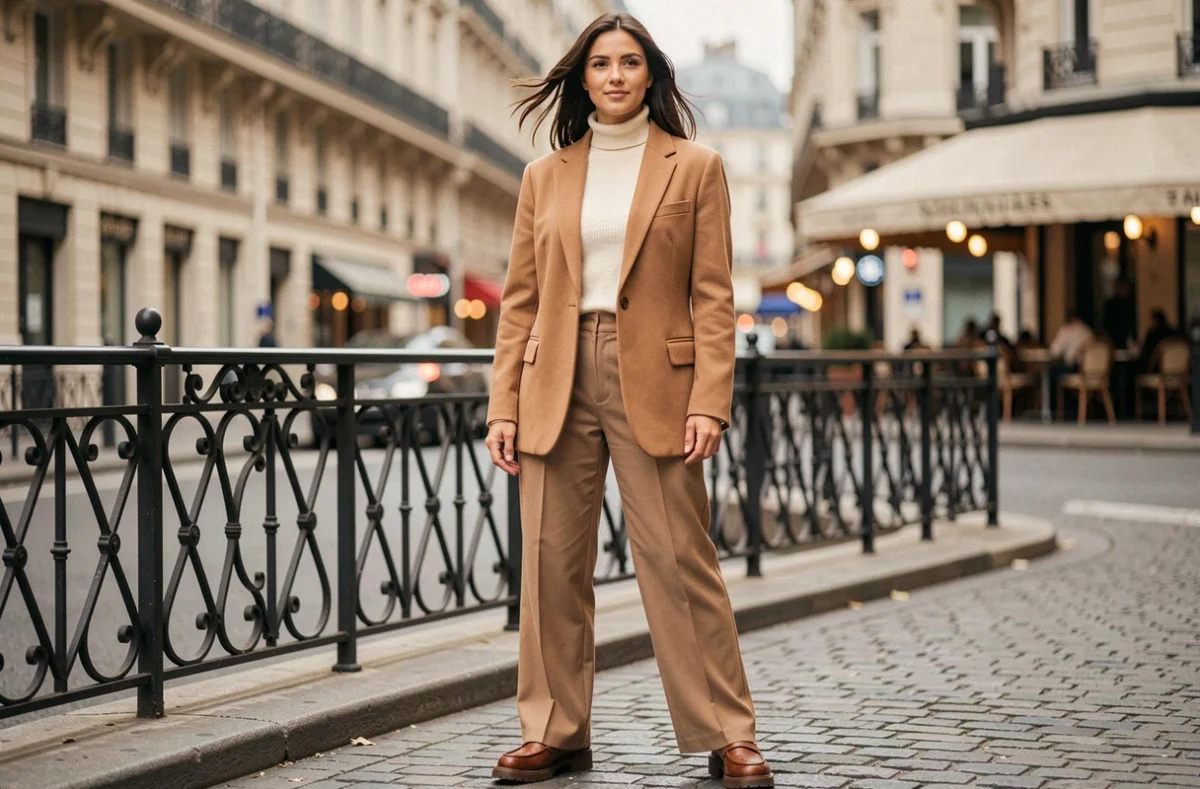
- Prioritize volumes over colors. A well-proportioned silhouette (structured shoulder, defined waist, fitted pants) works in any palette. Investing in a cut rather than a seasonal hue avoids rapid obsolescence.
- Limit prints to one piece per outfit. XXL floral patterns or optical geometries are style accelerators, but layered, they cancel each other’s effect. The rest of the look benefits from remaining solid.
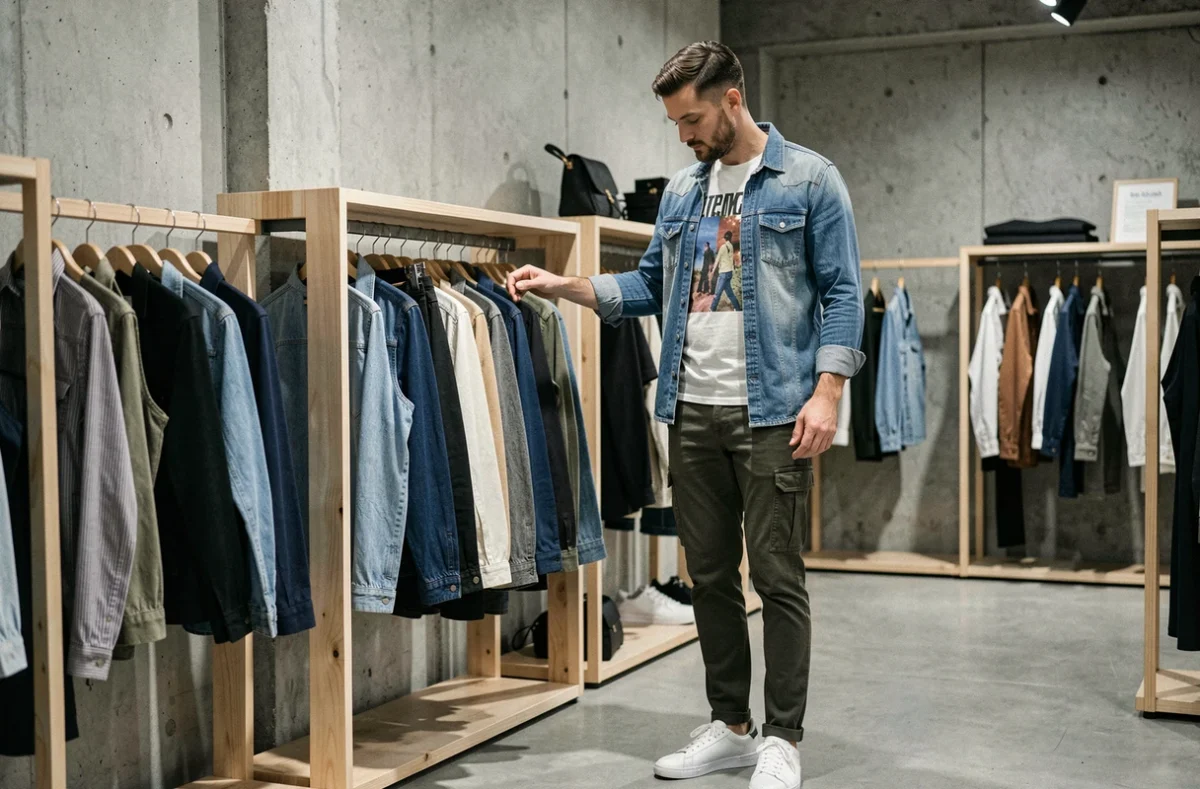
- Choose the purchasing channel based on the category. Structuring basics (jackets, pants) deserve a well-cut new purchase. Seasonal pieces (printed tops, colorful accessories) can easily be found secondhand at a fraction of the price, often worn only once by the first owner.
This reasoning by category rather than by brand or price allows for absorbing fashion trends without multiplying purchases or sacrificing visual coherence.
The role of the place of manufacture in the choice
The mandatory display of the place of manufacture near the price, required for online sellers, will make this information visible at the time of purchase decision. For the informed consumer, this means being able to compare not only the price but also the production chain before validating a cart.
Brands that manufacture in Europe or France were not always identifiable at first glance on a marketplace. This forced transparency could redirect attention towards players previously drowned out in the noise of high-volume platforms.
This season’s fashion is read as much in the cuts and palettes as in the rules of the game that frame their marketing. A well-chosen garment, purchased through the right channel, adjusted by a tailor, or properly maintained, remains trendy well beyond a single season.