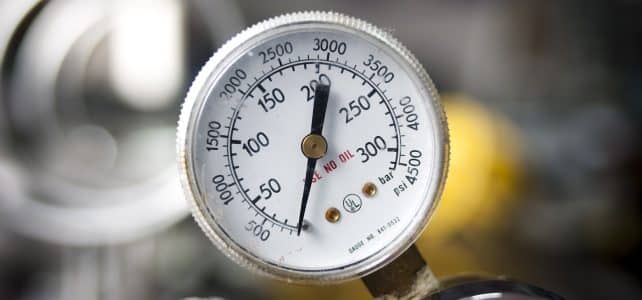
In an increasingly technological and precise world, the choice of the appropriate temperature probe becomes a crucial decision for many applications. Whether for industrial, medical, domestic, or scientific uses, the accuracy and reliability of temperature measurement are paramount.
The Different Types of Temperature Probes
There are several types of temperature probes, each with its own characteristics and areas of application. Here is an overview of the main types of probes available on the market.
Thermocouples are widely used temperature sensors due to their broad measurement range and robustness. They consist of two metallic wires of different types, welded at one end. The temperature difference between the two ends generates a voltage proportional to the temperature. They are often used in industrial environments thanks to their resistance to extreme conditions.
Thermistors are temperature sensors whose resistance varies significantly with temperature. They are very sensitive and offer high accuracy in relatively limited temperature ranges. These probes are commonly used in medical and domestic applications, such as electronic thermometers and air conditioning systems.
Resistance Temperature Detectors (RTDs) are known for their high accuracy and stability. They use the variation of electrical resistance of a material, usually platinum, depending on the temperature. RTDs are often employed in laboratories and industries where precise and reliable temperature measurement is essential.
Criteria for Choosing a Temperature Probe
The choice of a temperature probe should not be taken lightly. Several criteria must be considered to ensure that the tool will perfectly meet your specific needs.
- Temperature Range: The measurement range of the probe must match the range of temperatures you plan to measure. A thermocouple may be necessary for very high temperatures, while a thermistor may suffice for more limited temperature ranges.
- Accuracy: Some applications require extremely fine accuracy. RTDs are often preferred in these cases due to their high precision and low drift over time.
- Response Time: The time required for the probe to react to temperature changes can be crucial, especially in situations where rapid changes need to be detected. Thermocouples, for example, generally have a fast response time.
- Environmental Conditions: The robustness of the probe against environmental conditions such as humidity, pressure, and chemicals must be considered. Some probes, like thermocouples, are better suited for harsh industrial environments.
Specific Applications of Temperature Probes
Understanding the specific applications where each type of probe excels can help make an informed choice.
In the medical sector, thermistors are widely used for electronic thermometers and medical monitoring devices due to their high accuracy and sensitivity in restricted temperature ranges.
For industrial applications, thermocouples are often the probe of choice due to their robustness and ability to measure extremely high temperatures. They are used in furnaces, engines, and turbines.
Scientific laboratories and research requiring precise and stable temperature measurement often opt for RTDs. These probes are ideal for experiments where high accuracy is crucial.
The Advantages and Disadvantages of Different Types of Probes
Each type of temperature probe has advantages and disadvantages that must be weighed to make an informed choice.
- Thermocouples:
- Advantages: Wide temperature range, robustness, fast response time.
- Disadvantages: Lower accuracy, requires a calibration device.
- Thermistors:
- Advantages: High sensitivity, accuracy in limited temperature ranges.
- Disadvantages: Limited temperature range, not suitable for extreme environments.
- RTDs:
- Advantages: High accuracy, long-term stability.
- Disadvantages: High cost, slower response time.
The choice of the temperature probe will therefore heavily depend on the specific application and environmental and operational requirements. Considering these different criteria will allow you to select the probe that best meets your needs.