
Colors are not just simple shades that color the world; they carry deep and varied meanings across cultures. Red, vibrant and energetic, can symbolize love and passion in one context, while it may evoke luck and prosperity in another. White, often associated with purity in Western societies, can represent mourning in some parts of Asia. This diversity of interpretations highlights how cultural perceptions shape our understanding of colors and their use in art, fashion, decoration, and rituals.
Colors and Their Multiple Cultural Facets
Black, in the Western world, carries mourning and sobriety, a shadow that envelops Europe and North America in times of loss. Contrasting with this darkness, white floats there as a symbol of peace and purity. Cross the seas to Asia, and you will discover a striking inversion of these associations: white is the fabric of mourning, a presence that accompanies death, while black can be the color of celebration, as in Australia where it takes on a festive dimension.
Red, a fiery and impetuous hue, embodies both passion and danger in Western countries. In Russia, it beats to the rhythm of revolution, and in Asia, it blooms as a symbol of life and purity. Away from these lands, orange flourishes in India as a sacred color, while yellow can evoke deceit and corruption in places like Germany. Consider the color of hope, green, which, in the Western world, reflects nature and well-being, while in China, it can betray treachery.
Shades continue to intertwine within cultures: blue is a haven of masculinity and loyalty in the West, while in China, it is adorned with immortality. Purple, often reserved for the crowned heads, evokes royalty and nobility, and pink, with its romantic softness, accentuates femininity in the West. As for brown, it brings us back to the earth, evoking durability and solidity. These hues, true languages without words, shape our perceptions and emotions, weaving invisible yet tangible links between color and culture.
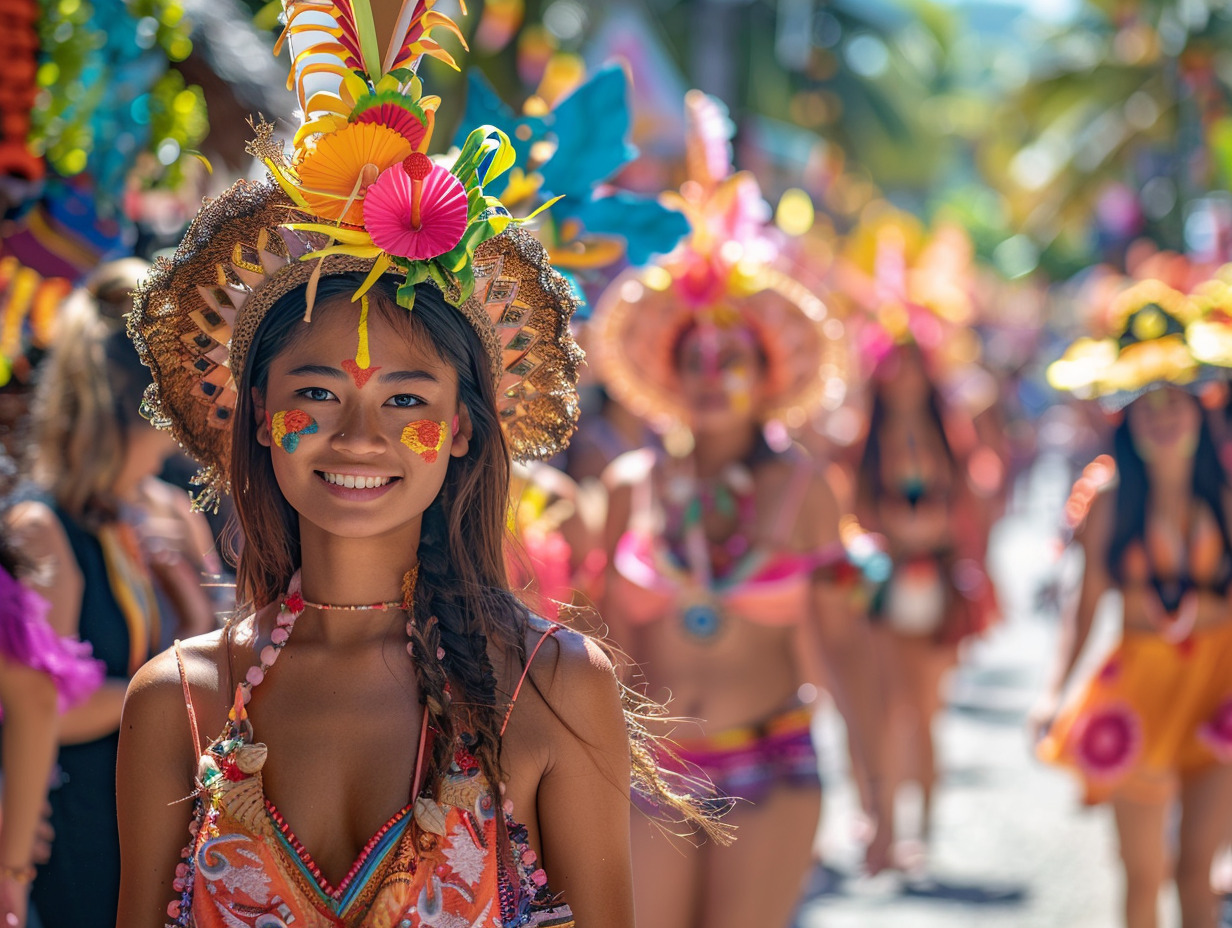
Colors and Their Universal Language
The psychology of colors, a fascinating field of study, reveals that the shades of the color wheel are not just visual ornaments but powerful vectors of communication. In the field of marketing, creating visual identity must take into account the symbolism attached to each hue. Think of red, the color of urgency, often used to attract attention in calls to action.
Design, whether it is that of a product or a company’s graphic charter, relies on the meaning of colors to shape visual identity. Orange, a warm and energetic tone, is frequently chosen to instill a spirit of creativity and innovation. Pink, for its part, is often associated with femininity and softness, although this color has gained versatility and strength in contemporary strategies.
For international communication, cultural sensitivity to the symbolism of colors is fundamental. Global companies must navigate carefully, ensuring that the messages conveyed by colors are appropriate and respectful of diverse cultural contexts. What may be perceived as a neutral aesthetic choice can turn out to be a cultural misstep if the symbolic dimension is not taken into account.
Marketing strategy, therefore, must understand the color symbolism for each targeted market. Take, for example, an advertising campaign aimed at an Asian audience; the choice of a color like white should be considered in light of its connotation of mourning. Similarly, a brand looking to establish itself in Europe or North America might prefer shades that evoke trust and reliability, such as blue.