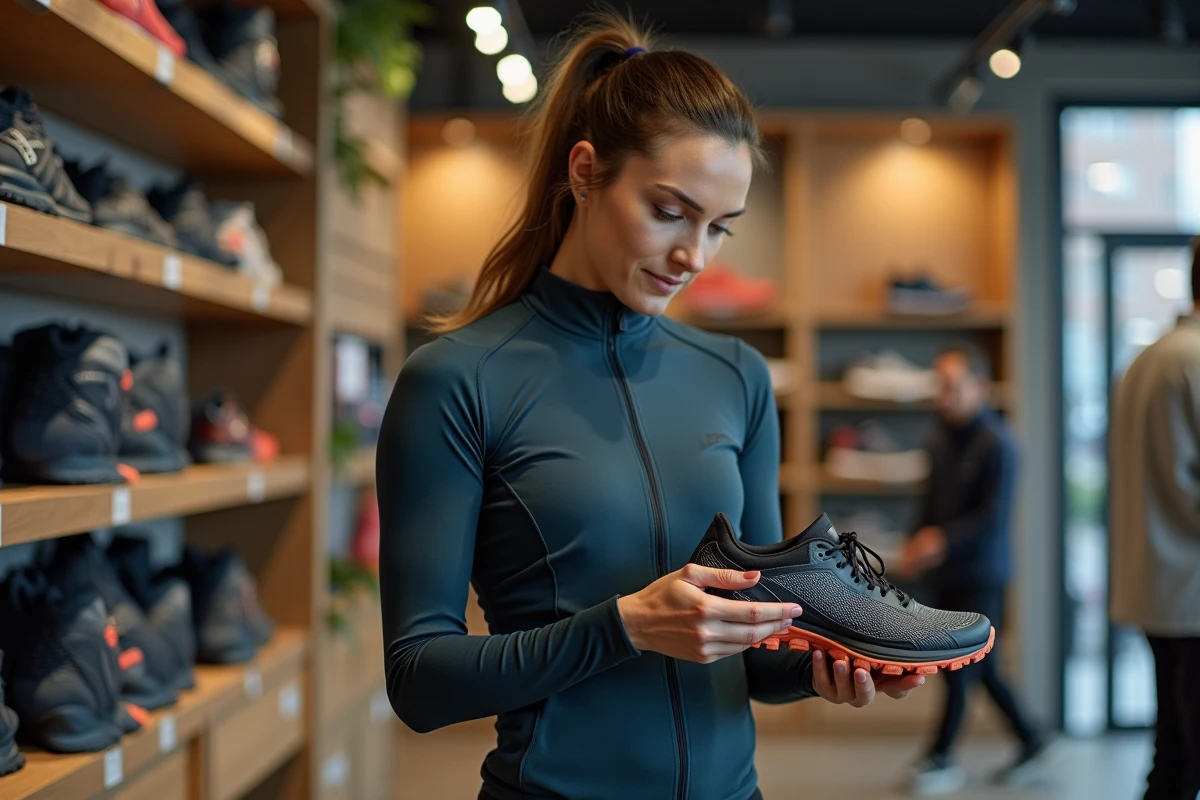
Adapted sports equipment affects three measurable parameters: the transfer of energy between the body and the ground (or the device), thermal regulation during exertion, and the reduction of mechanical stress on the joints. Choosing your gear involves balancing these three functions according to your discipline, morphology, and training volume.
Stride Analysis and Sensors: Choosing Sports Shoes Based on Data, Not Feel
The choice of a pair of running shoes remains the area where the performance gap between a suitable model and a generic model is most pronounced. The reason lies in pronation, which is the natural internal rotation movement of the foot with each step.
A supinating runner does not need the same type of cushioning as an excessive pronator. In recent years, several brands have coupled stride analysis tools (in-store or via an app) with their shoe ranges. For example, Adidas offers a recommendation program that cross-references detected pronation with weekly running load to guide towards a specific model.
This type of approach goes beyond simple sales advice. Sensor data (connected insoles, watch accelerometers) allow for an objective choice that previously relied solely on perceived comfort in-store. To explore sports equipment on Sportlinea, this intersection of biomechanical data and product catalog becomes a relevant selection criterion.
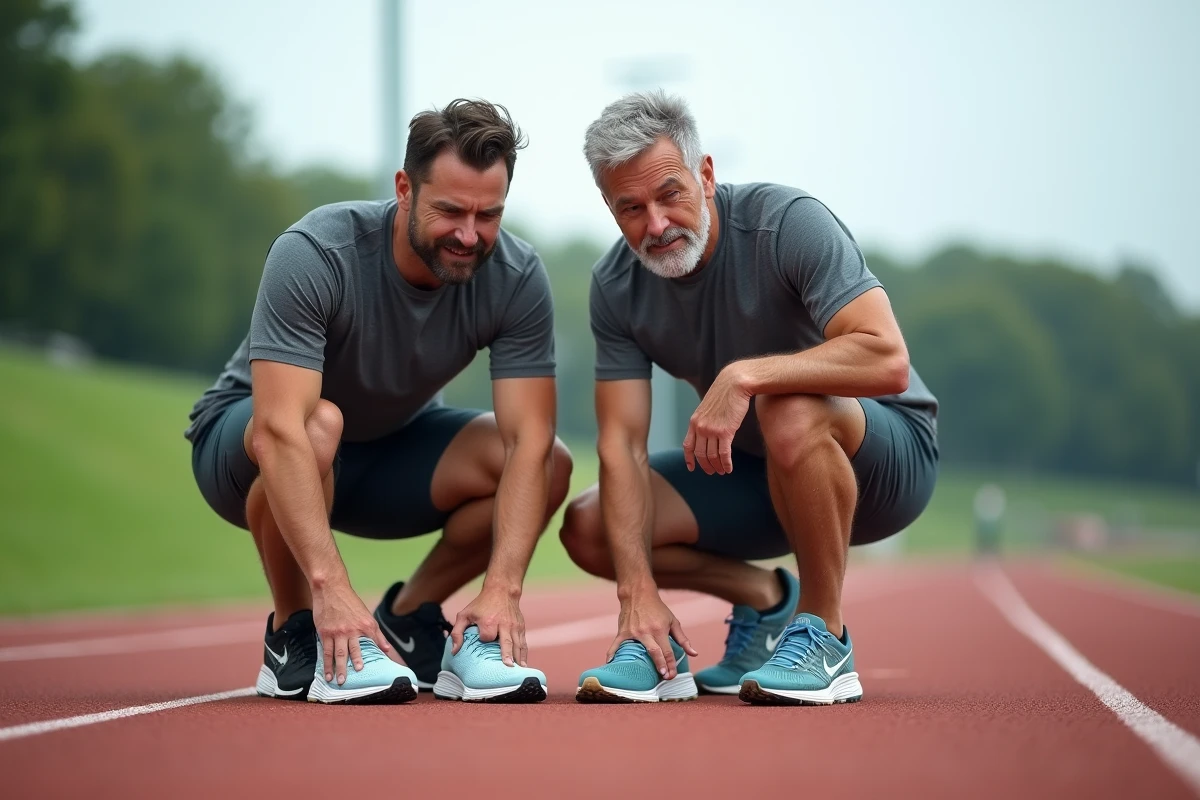
Thermal Regulation: Understanding the Technical Fabrics of Sports Clothing
Sports clothing serves two functions that cotton cannot fulfill simultaneously: wicking sweat away from the skin’s surface and maintaining a stable body temperature. Synthetic fibers (polyester, polyamide) and certain blends containing merino wool meet these requirements in different ways.
Synthetic Fibers and Merino: Two Approaches to Moisture Management
Polyester wicks moisture through capillarity to the outer face of the fabric, where it evaporates. Drying is quick, but the fiber retains odors after a few uses. Merino wool, on the other hand, absorbs moisture within the structure of the fiber before gradually releasing it. It regulates temperature better in cool weather and remains more neutral in terms of odor.
- For short and intense efforts (interval training, HIIT, indoor sports), a lightweight synthetic fabric with a fine weight is sufficient. The priority is quick drying.
- For long outdoor outings (trail running, sports hiking, cross-country skiing), a merino or merino-synthetic blend offers a better thermal compromise over time.
- For sports with variable intensity (football, rugby, tennis), a fitted synthetic base layer worn under the jersey limits temperature variations during stop phases.
The fabric weight (its density per square meter) determines both thermal performance and the material itself. A merino that is too thin will not keep you warm, while a synthetic that is too thick will trap heat. The choice of material cannot be made without considering the weight.
Protective Gear and CE Standards: What the European Regulation on Equipment Changes
Bicycle helmets, rugby pads, knee pads, lumbar belts: these items fall under Regulation (EU) 2016/425 on Personal Protective Equipment. Since its full implementation, manufacturers have had to renew certifications for their ranges. This explains the disappearance of some older models and the arrival of products marked “new standard” on the market.
An uncertified CE protective equipment does not guarantee anything regarding shock absorption. Before purchasing a helmet or knee pad, checking for the CE marking and the reference to the applicable standard (EN 1078 for bicycle helmets, for example) remains the first useful reflex.
Protection and Comfort: A Trade-off Based on the Discipline
The most absorbent protections are often the bulkiest. In combat sports, a shell or a very covering shin guard can limit mobility. In climbing, a helmet that is too heavy can strain the neck on long routes.
The trade-off is made based on the actual risk level of the practice. An urban cyclist who rides daily needs a MIPS certified helmet (rotational protection) more than an occasional cyclist on a bike path. The level of exposure to risk dictates the level of protection, not the price of the product.
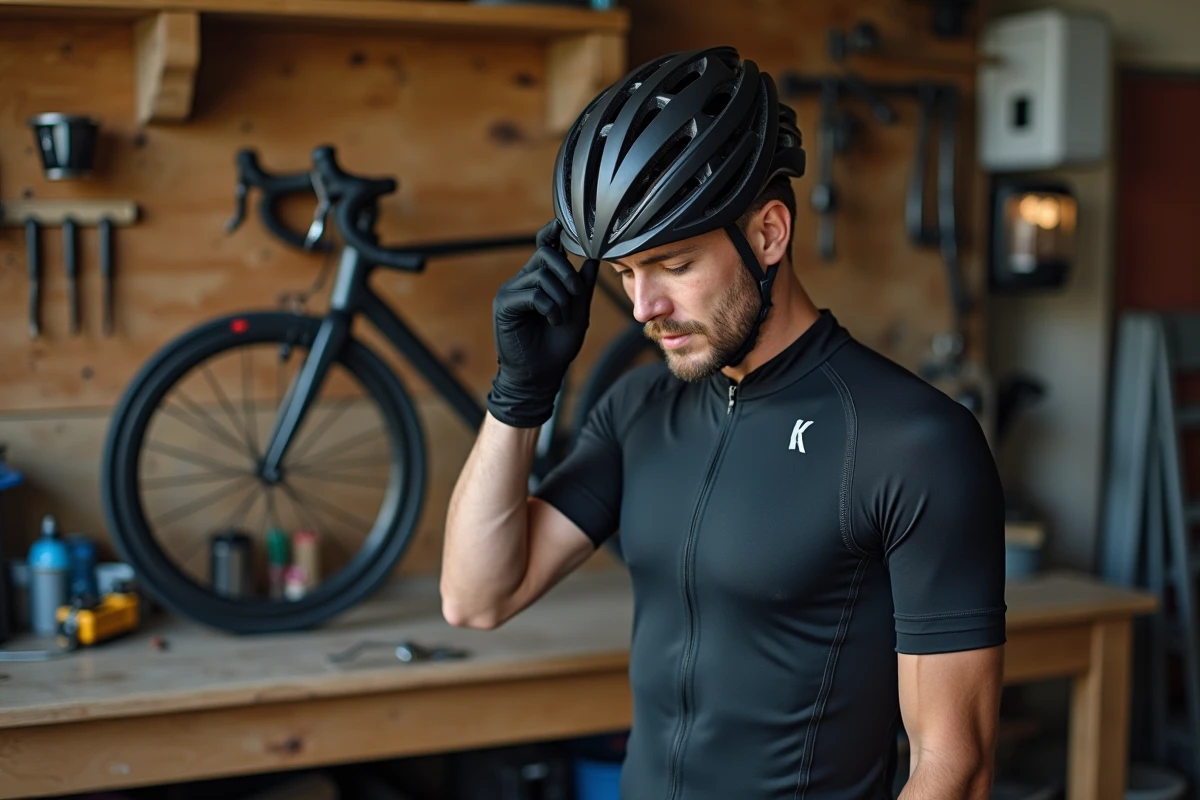
Morphological Adjustment: Size, Support, and Wear of Sports Equipment
Technically high-performing equipment that is poorly fitted loses much of its value. Size is not just a letter (S, M, L): it includes the cut, the compression exerted on the muscles, and the support of the joints.
Sports bras illustrate this problem well. Insufficient support during high-impact activities (running, crossfit) leads to pain and can discourage the activity itself. The choice depends on two combined criteria: bust size and the impact level of the activity. A bra suitable for yoga will not be appropriate for plyometric training.
When to Replace Your Equipment
The wear of a running shoe is assessed in the midsole (the cushioning layer), not the outsole. A shoe may visually appear fine while having lost most of its absorption capabilities. Most manufacturers recommend replacement after a certain mileage, which varies depending on the model and the weight of the runner.
- Regularly check the deformation of the midsole by placing the shoe on a flat surface: if it tilts, the cushioning is asymmetrical.
- Replace protective gear (helmet, knee pads) after any significant impact, even without visible damage. The internal structure may be compromised.
- Technical clothing loses its wicking properties when the fibers are saturated with fabric softener residues. Washing without fabric softener prolongs the functional lifespan of the textile.
The choice of sports equipment is best treated as a technical investment rather than an aesthetic one. A well-fitted product, certified for its discipline, and properly maintained retains its properties over several seasons, whereas a purchase driven solely by design often ends up at the back of the closet after a few months.