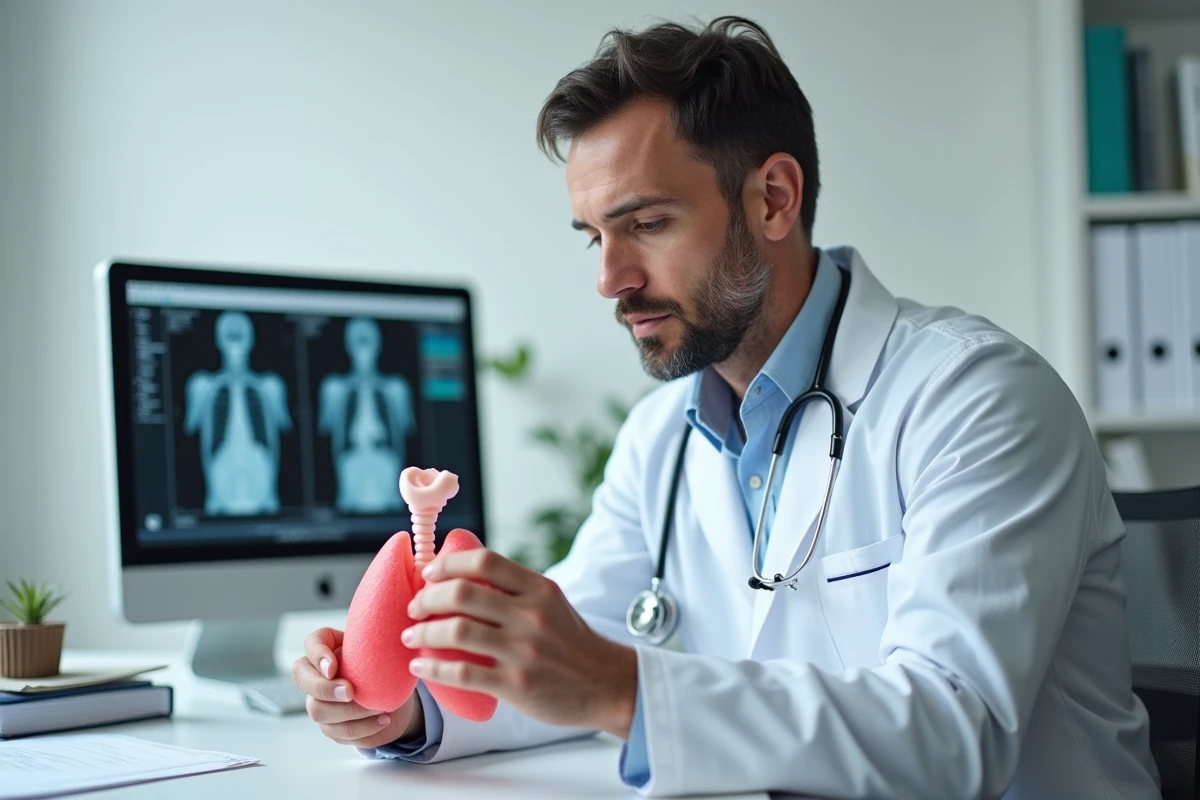
Damaged lungs, whether affected by fibrosis, COPD, or post-infectious lesions, often lose their gas exchange capacity irreversibly with conventional treatments. Regenerative approaches and new biological therapies are gradually changing this by targeting the repair of lung tissue itself, not just symptom management.
Extracellular exosomes and acute lung injuries: an alternative to corticosteroids
The standard treatment for post-infectious acute lung injuries largely relies on corticosteroids, which are effective in reducing inflammation but are associated with significant systemic side effects in the long term. A different avenue is emerging with exosomes derived from mesenchymal stem cells (MSCs).
These extracellular vesicles carry molecular signals capable of modulating the inflammatory response and accelerating the healing of alveolar tissue. According to a study published in The Lancet Respiratory Medicine, exosome therapies outperform corticosteroids in healing post-infectious acute lung injuries, with faster healing observed in multicenter cohorts.
To further explore the landscape of available regenerative treatments, Fiteo’s solutions provide a detailed entry point into current therapies and their clinical outcomes.
The advantage of exosomes also lies in their mode of administration: they can be delivered via nebulization, directly into the airways, which reduces systemic exposure. This local approach limits the adverse effects caused by corticosteroids administered orally or intravenously on bone metabolism or blood sugar levels.
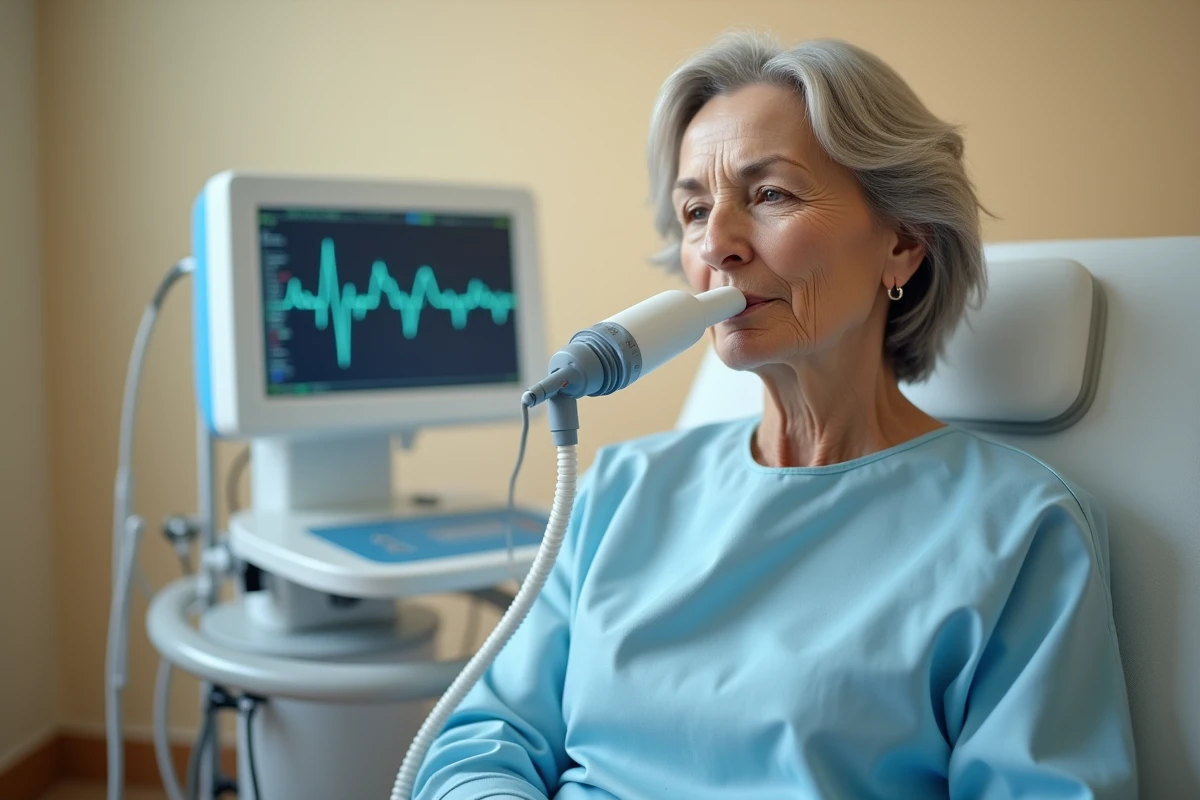
iPS stem cells and pulmonary fibrosis: regenerating damaged alveoli
Pulmonary fibrosis progressively destroys the alveolar architecture and replaces it with rigid scar tissue. Current antifibrotic medications slow this process without reversing the existing damage.
Induced pluripotent stem cells (iPS) open up a radically different pathway. Reprogrammed from the patient’s adult cells, they can be differentiated into functional alveolar cells. Phase II clinical trials have shown an improvement in respiratory function in patients suffering from post-COVID fibrosis, according to research reported by Nature Medicine.
This approach has a dual advantage: immunological compatibility (the cells come from the patient) and the ability to restore functional tissue, not just block degradation. iPS cells aim for regeneration, not just slowing the disease.
Current limitations of iPS cell therapy
The production of iPS cells remains costly and technically demanding. Each treatment requires a customized cell culture over several weeks. The industrial standardization of this process has not yet been achieved, which hinders large-scale access.
The tumorigenic risk, although reduced by current differentiation protocols, is still under strict monitoring in ongoing trials. The benefit-risk balance remains favorable for severe fibroses without therapeutic alternatives.
Anti-IL-33 gene therapy and severe COPD: reducing chronic inflammation at the source
Severe COPD is characterized by chronic inflammation of the airways maintained by mediators such as interleukin-33 (IL-33). Bronchodilators and inhaled corticosteroids relieve symptoms but do not modify this underlying inflammatory cascade.
Gene therapy targeting IL-33 acts upstream: it neutralizes the signal that triggers the excessive inflammatory response. Clinical experience indicates a notable reduction in exacerbations among severe COPD patients treated with this outpatient approach.
The integration of smart inhalers into the care pathway has improved treatment adherence. These connected devices adjust the delivered dose and alert the patient in case of forgetfulness, a crucial factor for a chronic disease where adherence determines outcomes.
- The anti-IL-33 therapy targets the inflammatory cause, not just bronchial symptoms
- Outpatient administration avoids repeated hospitalizations related to exacerbations
- Connected inhalers allow real-time monitoring of adherence and treatment response
Access to pulmonary regenerative therapies: the blind spot for remote populations
The advancements described above share a common point: they are developed and tested in university hospital centers, concentrated in metropolitan areas. Rural or low-income populations remain largely excluded from these advancements.
iPS cell therapy requires a cell culture infrastructure and specialized follow-up that most local hospitals cannot provide. Anti-IL-33 gene therapy requires prior molecular diagnosis, which is rarely accessible outside major centers. MSC exosomes, despite their potential for home nebulization, are currently confined to hospital research protocols.
A structural problem, not just financial
The cost of treatments is only part of the problem. The lack of specialized pulmonologists in underserved areas delays diagnosis and directs patients toward conventional pathways (corticosteroids, oxygen therapy) by default. Telemedicine partially compensates for this deficit for follow-up, but the initial therapeutic gesture (administration, cell collection) remains inevitably in-person.
- Clinical trials predominantly recruit in metropolitan university hospitals, skewing efficacy data toward urban populations
- Reimbursement for regenerative therapies remains contingent on heavy hospital protocols, inaccessible in rural areas
- The lack of training for general practitioners in these new approaches creates a gap between therapeutic offerings and field practice
Pulmonary regenerative therapies are progressing rapidly on the scientific front. The next step, less spectacular but equally crucial, concerns their equitable deployment. A treatment that regenerates alveoli but does not reach the patients who need it remains, in practice, an unfulfilled promise.