
International arrivals and visitor spending have now surpassed pre-pandemic levels, according to the World Economic Forum’s Travel & Tourism Development Index 2026. This regained growth does not simplify the choice of a travel destination: it complicates it. Massive crowds at certain sites, new access restrictions, rising tourist taxes – the regulatory context weighs as heavily as the scenic appeal in selecting an itinerary.
Access Restrictions and Regulation: What Changes for Travelers
Barcelona is gradually eliminating more than 10,000 tourist rental licenses by November 2028. In Japan, taxation targeting visitors has been strengthened. These measures, documented by ABC News Australia in September 2026, are not isolated cases.
We are seeing a generalization of visit time slots, access limitations, and occasional closures of sensitive sites. For travelers, this means more detailed planning: booking an access slot has become as common as booking a flight.
The most attractive destinations (Iceland, Peru, Bali) are also those where these constraints are tightening the fastest. Traveling to these countries without prior verification of the local rules in effect exposes one to entry refusals or unexpected additional costs. Cross-referencing available information on Travel Destination with the official sites of local tourist offices remains the most reliable method to anticipate these changes.

Travel Destinations Beyond Overtourism: Key Selection Criteria
The ATM Travel Trends Report 2026, relayed by Euronews Travel in September 2026, confirms that avoiding overtourism has become an explicit selection criterion for a growing share of travelers. We recommend structuring the selection around three axes rarely intersected in classic inspiration lists.
- Tourist density compared to local accommodation capacity: a country can be beautiful yet structurally saturated. Sri Lanka or Tanzania offer landscapes comparable to more frequented destinations, with significantly lower tourist pressure in certain areas.
- Direct air connectivity from your departure hub: a long layover increases the budget, fatigue, and carbon footprint. Destinations accessible by direct flight change according to seasons and airlines.
- The regulatory framework for accommodations: in countries where the regulation of tourist rentals is progressing, traditional hotel offerings become competitive again, altering the overall value-for-money ratio of the stay.
Sri Lanka and Cape Verde: Two Underestimated Profiles
Sri Lanka combines beaches, mountainous landscapes, rich cultural heritage, and a developing tourist infrastructure. The diversity of ecosystems on an island of this size remains remarkable.
Cape Verde, a volcanic archipelago off the coast of West Africa, attracts an adventure and hiking-oriented audience. Each island has a distinct geological character, from the desert of Boa Vista to the rugged terrain of Santo Antão. Visitor numbers remain moderate compared to the neighboring Canary Islands.
Family or Group Travel: Balancing Flexibility and Structure
A family trip with children and a group trip among experienced adults do not follow the same destination logic. Competing articles often mix these two audiences in the same list, resulting in vague recommendations.
For a family trip, health stability, the quality of local medical infrastructure, and ease of obtaining visas are paramount. Costa Rica checks these boxes with a well-established offering for families: accessible national parks, wildlife observable without major logistical effort, and a decent health network for the region.
For a group of adults seeking adventure, Namibia or Peru offers a completely different experience. Vast desert spaces, high-altitude treks, spectacular biodiversity. These destinations require superior physical and logistical preparation, but the density of experiences per travel day is significantly higher.
Bali and Indonesia: Going Beyond the Cliché
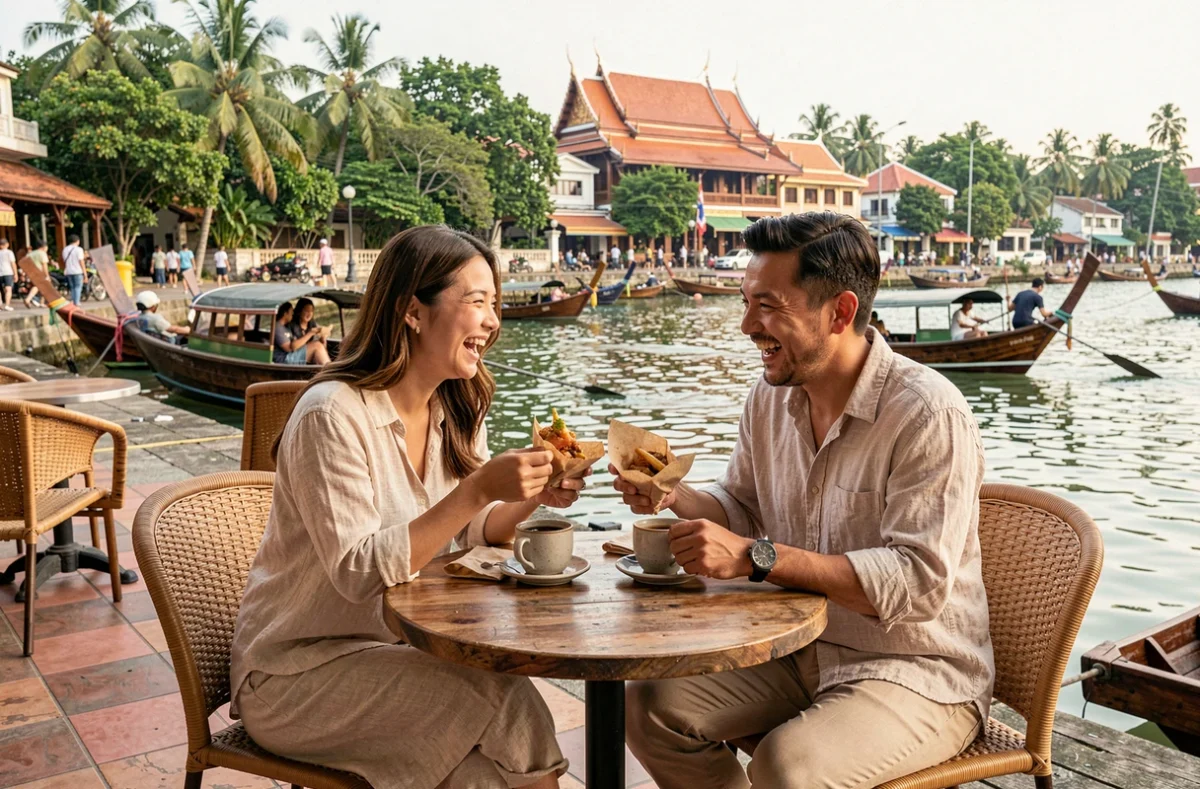
Bali remains a popular travel destination, but the island suffers from documented overcrowding. We recommend broadening the itinerary to include neighboring islands: Flores, Komodo, Sulawesi. Indonesia beyond Bali offers volcanic and marine landscapes without the tourist saturation of the southern area of the main island.
The cost of living on these secondary islands remains lower, and local accommodations allow for more direct contact with communities. The compromise between adventure and comfort is easier to find than one might think.
Budget and Financial Accessibility of Travel Destinations in 2026
The World Economic Forum highlights in its 2026 report the fragility of financial accessibility in global tourism. Prices for flights, accommodations, and activities at the most sought-after destinations are rising faster than general inflation.
This phenomenon prompts a reconsideration of historically cheaper destinations. Mainland Greece (excluding Santorini and Mykonos), inland Mexico (Oaxaca, Chiapas), or Croatia in the off-season offer dense cultural and natural experiences at significantly lower rates than saturated spots.
- Traveling in the low season reduces costs and crowds but requires checking specific local weather conditions.
- Off-peak vacations (May-June, September-October) often represent the best compromise between weather, budget, and crowd levels.
- Newly instituted tourist taxes in several countries must be integrated into the budget from the planning phase.
The choice of a destination is no longer limited to the visual appeal of a landscape. Local regulation, actual visitor levels, financial accessibility, and air connectivity form a set of criteria to cross-reference before any booking. Travelers who integrate these parameters from the research phase avoid disappointments and enjoy better-calibrated stays.